Why does witnessing harassment paralyze us more than fear itself? And can technology bridge the gap between knowing and doing?
Why does witnessing harassment paralyze us more than fear itself? And can technology bridge the gap between knowing and doing?
Dodda Akka: a multilingual hotline that turns paralyzed bystanders into active bystanders against street harassment. In India's crowded public spaces, where victims suffer silently and witnesses freeze, what if one call empowered safe interventions, community watch, and real-time authority alerts?
Dodda Akka: a multilingual hotline that turns paralyzed bystanders into active bystanders against street harassment. In India's crowded public spaces, where victims suffer silently and witnesses freeze, what if one call empowered safe interventions, community watch, and real-time authority alerts?
Design Research
Systems Thinking
UI/UX
My Role
Design Researcher
Timeline
4 Weeks
Collaborators
Anuhya Mahesh
Pranav Sridhar
Collaborators
Anuhya Mahesh
Pranav Sridhar
UNESCO Recognised
Winner at GENDER X GEN AI hackathon at International conference (GTC) in Amrita University
Collaborators
Anuhya Mahesh
Pranav Sridhar
Dodda Akka is a community-driven hotline designed to empower active bystanders in addressing sexual harassment. Recognising the critical role of witnesses in such scenarios, this tool enables individuals to intervene safely, document incidents, and collaborate with local authorities.
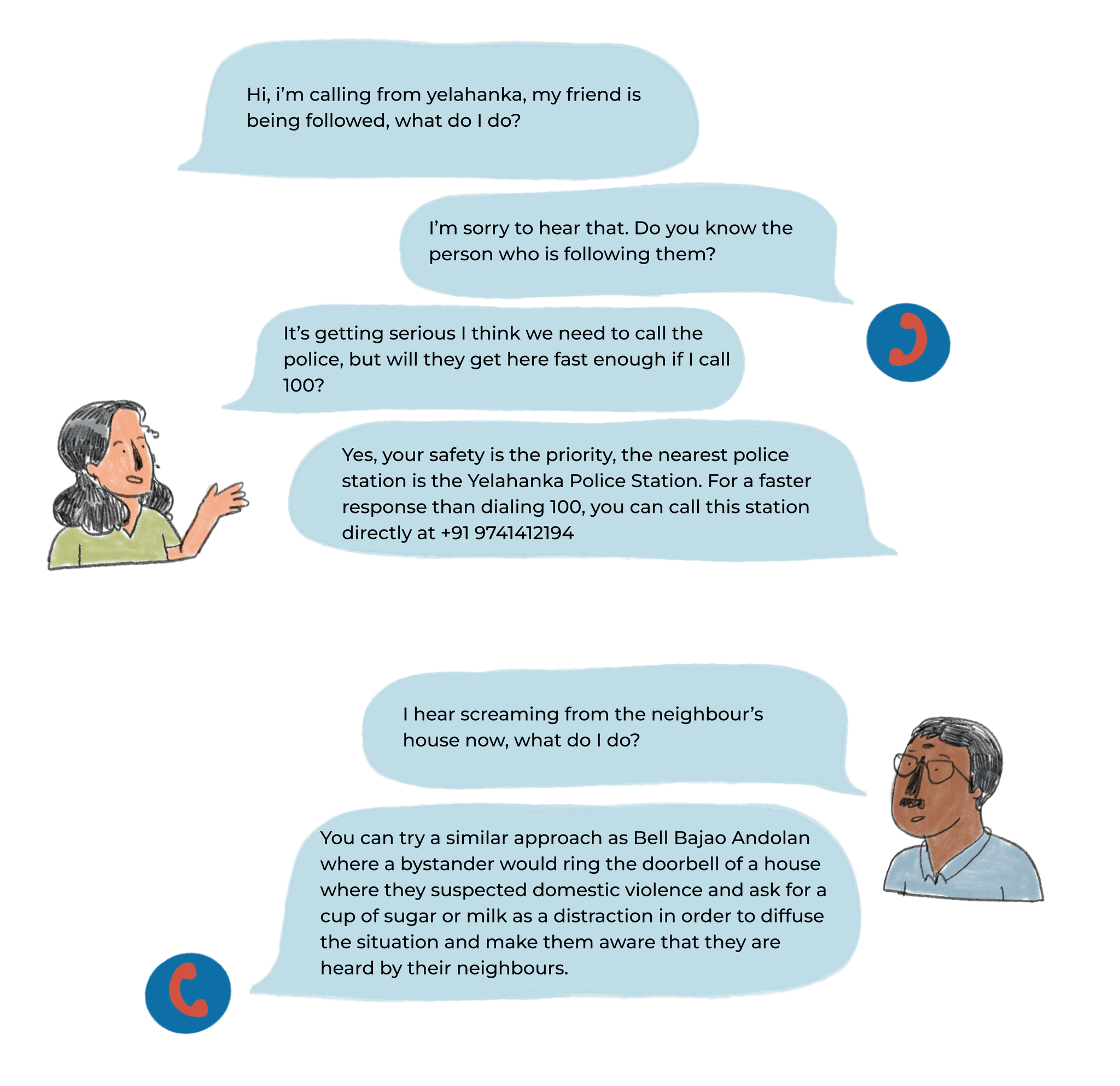
Operated in local dialects, the hotline supports callers by guiding them to take immediate action, in a way that doesn’t put anyone at risk, and document observations that can be shared with law enforcement to identify high-risk areas.
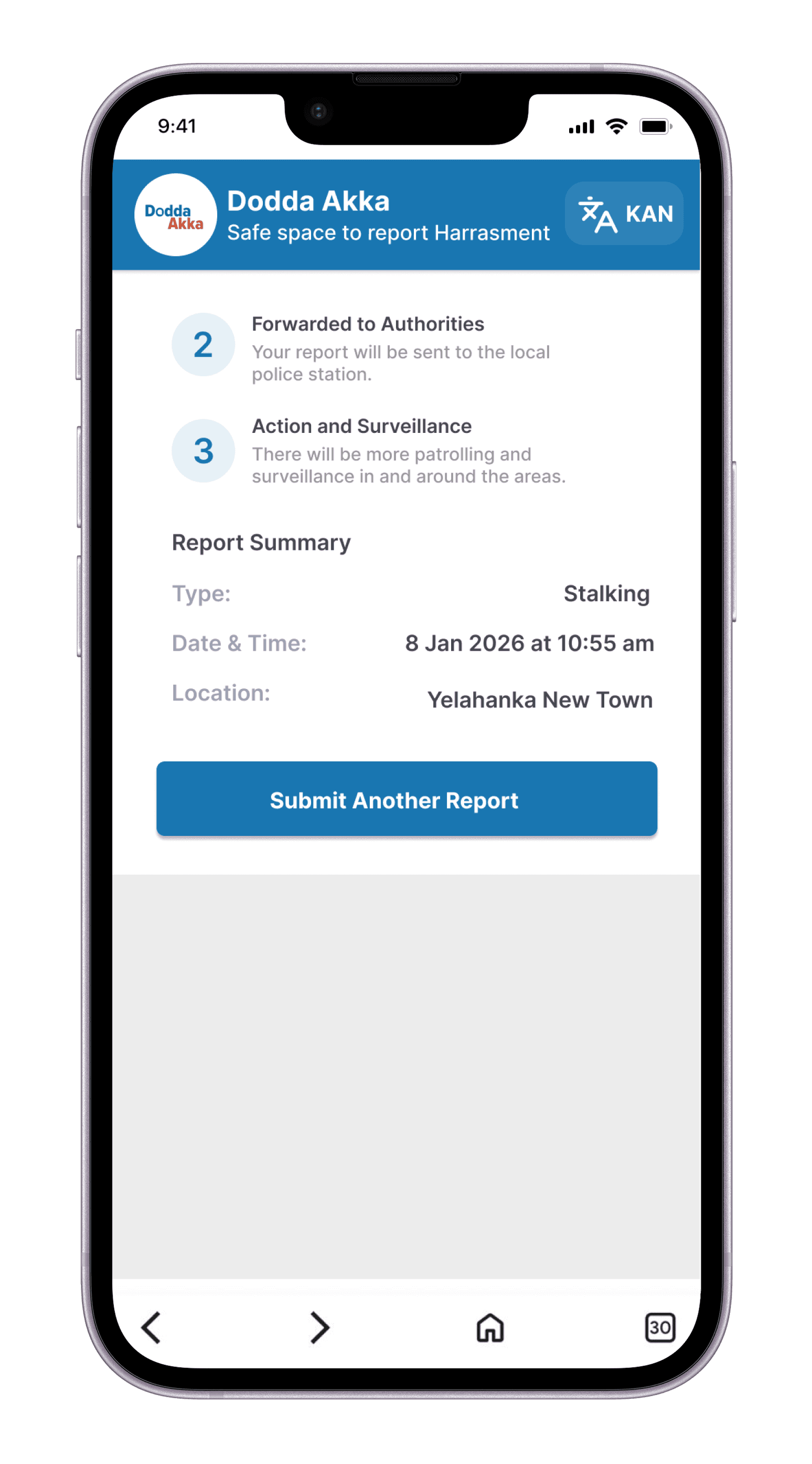
Prototype of the product
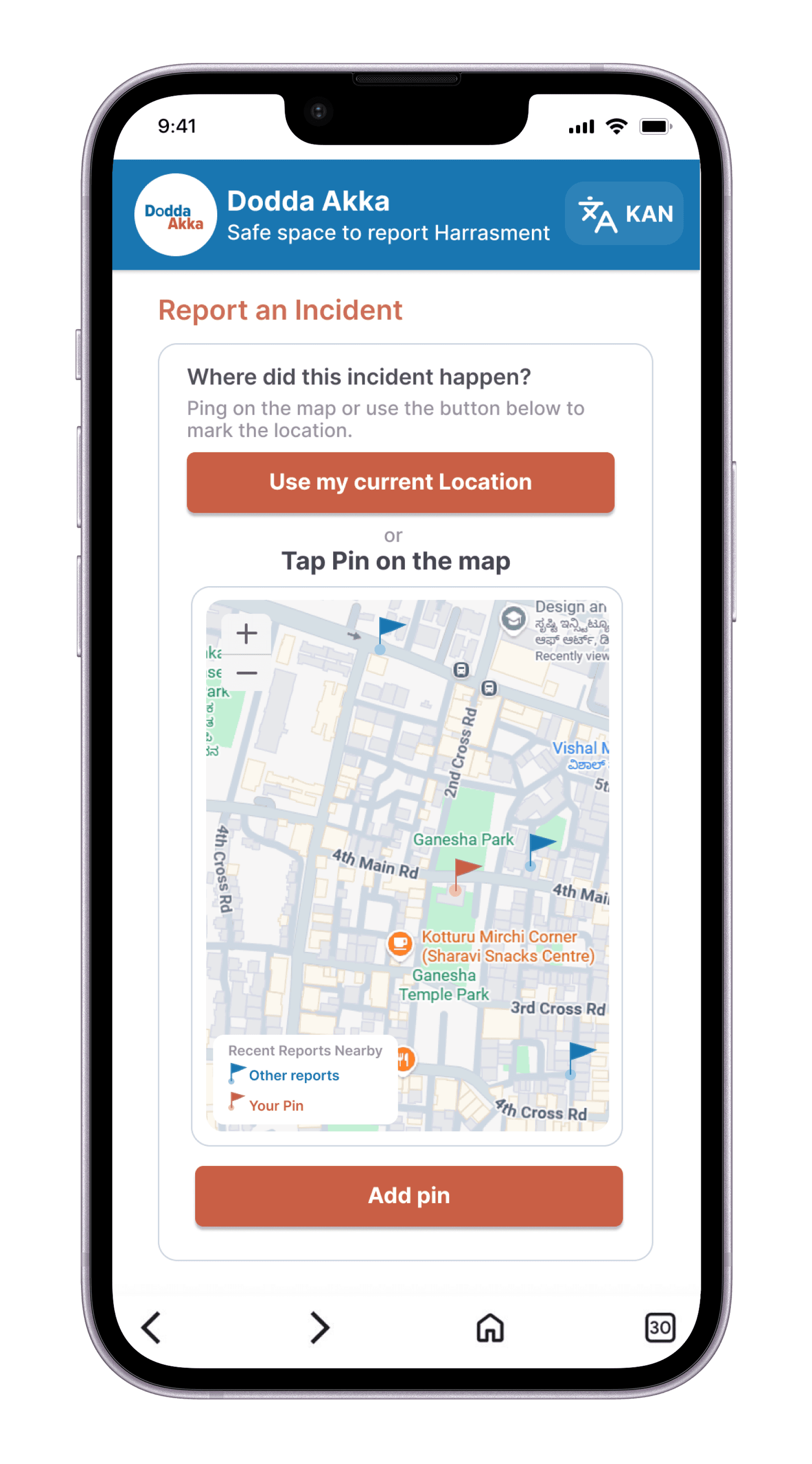
Screens to pin a Report
Reporting the Incident
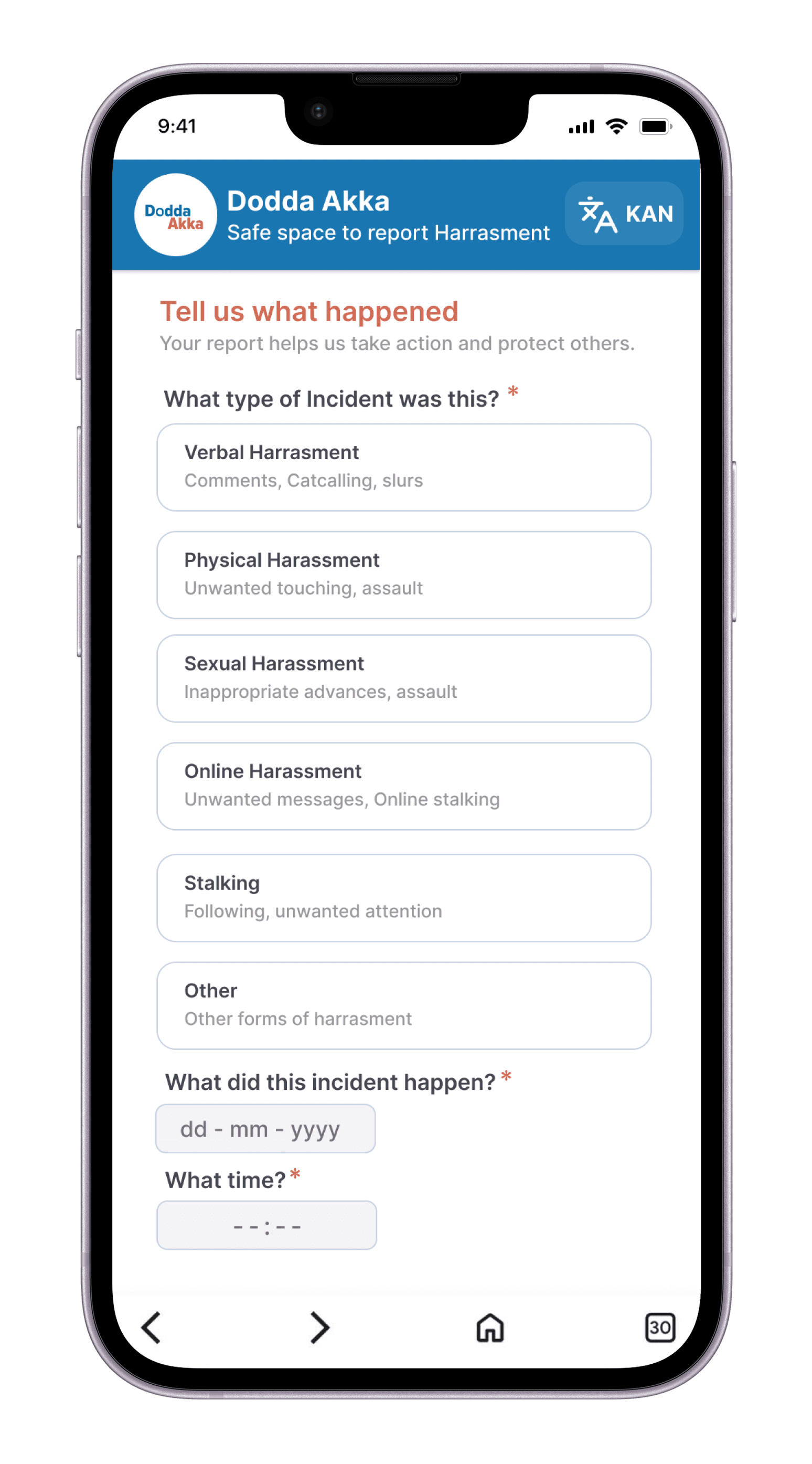
Information of the incident
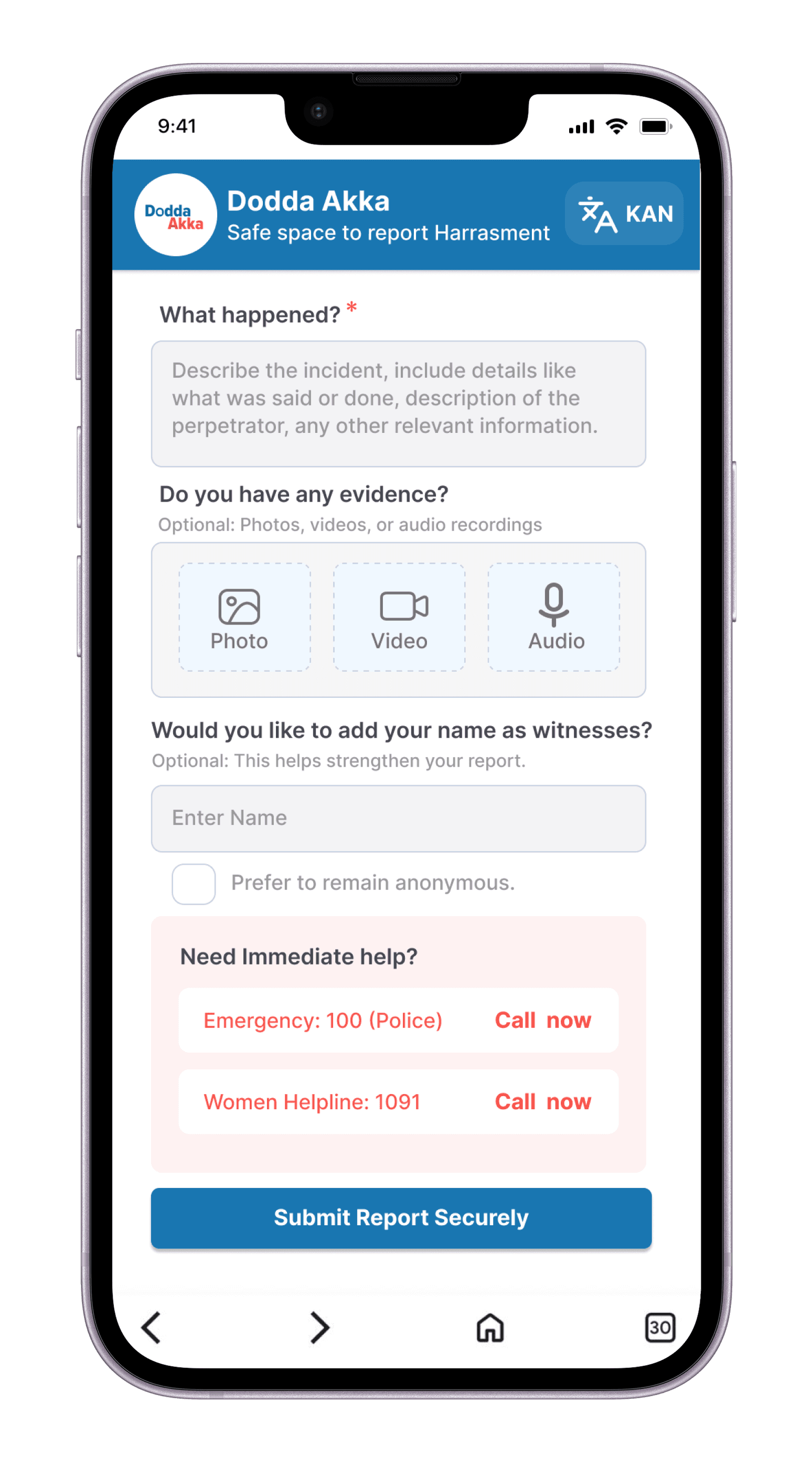
-
Post Reporting Screen
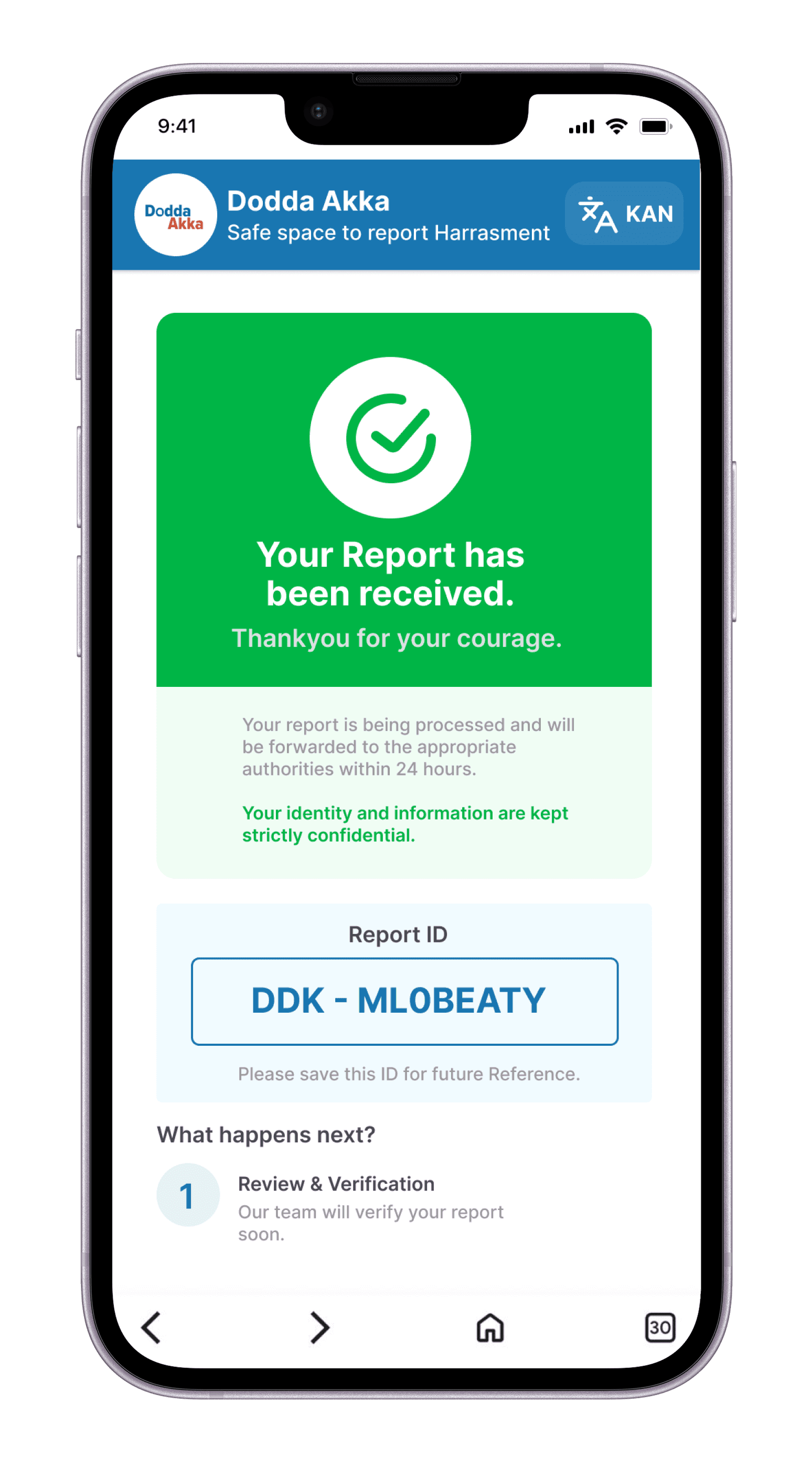
-
The Context
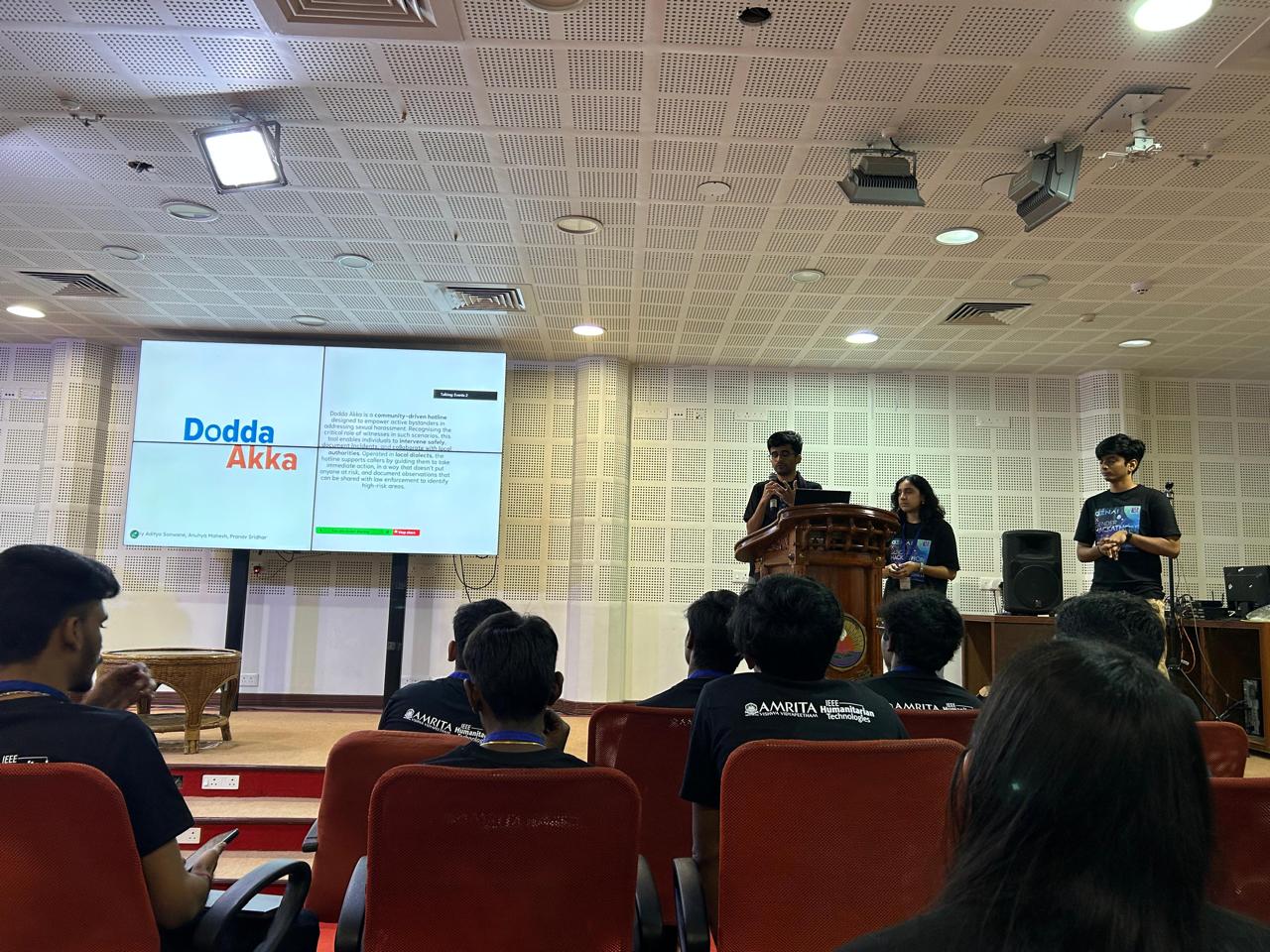
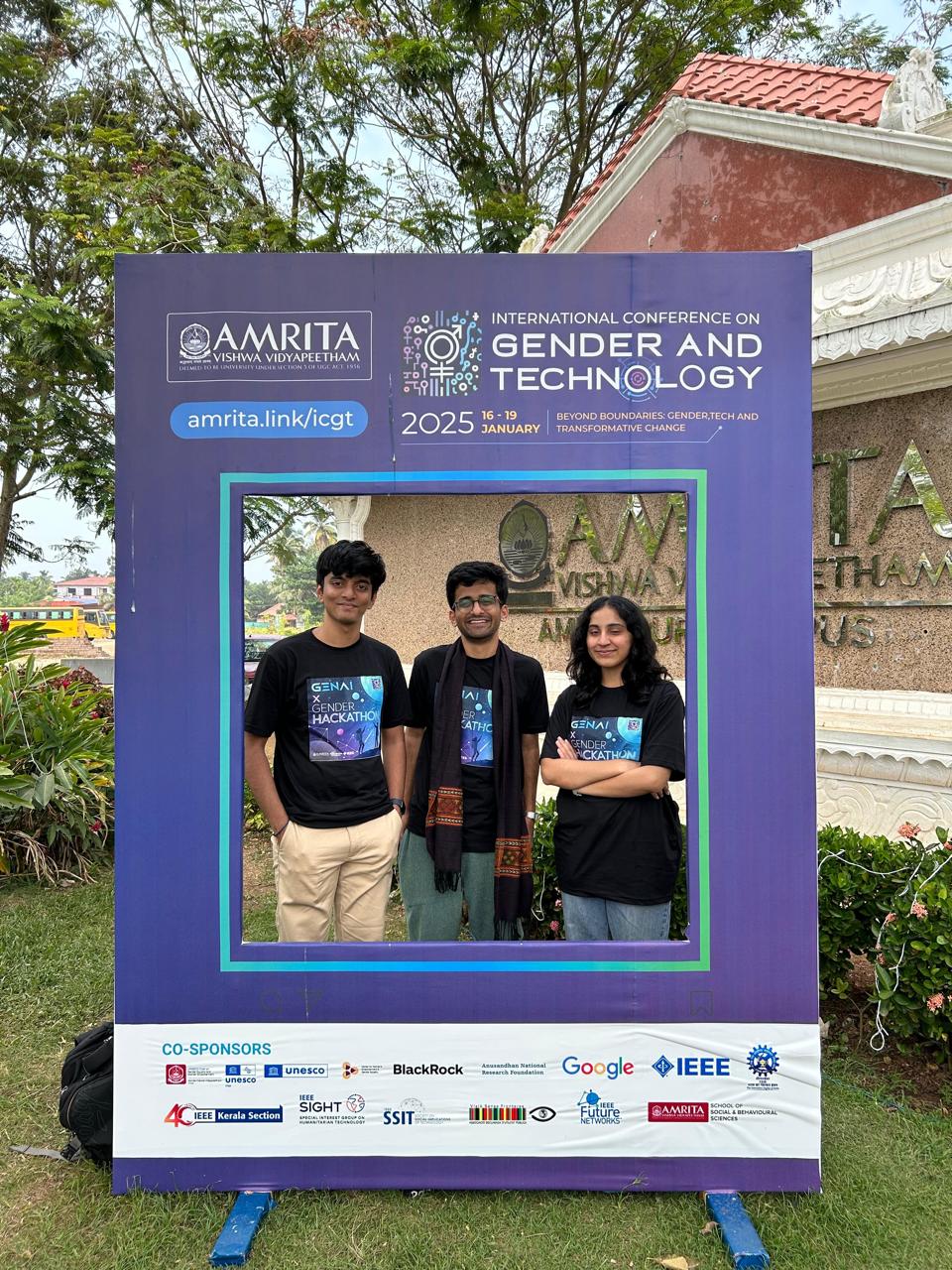
This Project was created under a 4 week period for the Gender X GenAi Hackathon conducted by Amrita University and the UNESCO chair of Gender Equality and Women's Empowerment and apart of the International Conference on Gender and Technology (GTC), where the participants were required to create Generative AI based solutions for complex gender related issues in the world we live in, where we won the first prize.
Dodda Akka was selected from the a pool of 550 applicants worldwide where 250 applicants formed 50 teams for this pioneering initiative. The Hackathon adopted a different approach from the way traditional two day, traditional teach based hackathon's. The hackathon was spread across 4 week with many layers of mentoring from global experts, industry leaders and feedback sessions. The final presentation round was conducted at Amrita University, Kerala.
What do we want to Address?
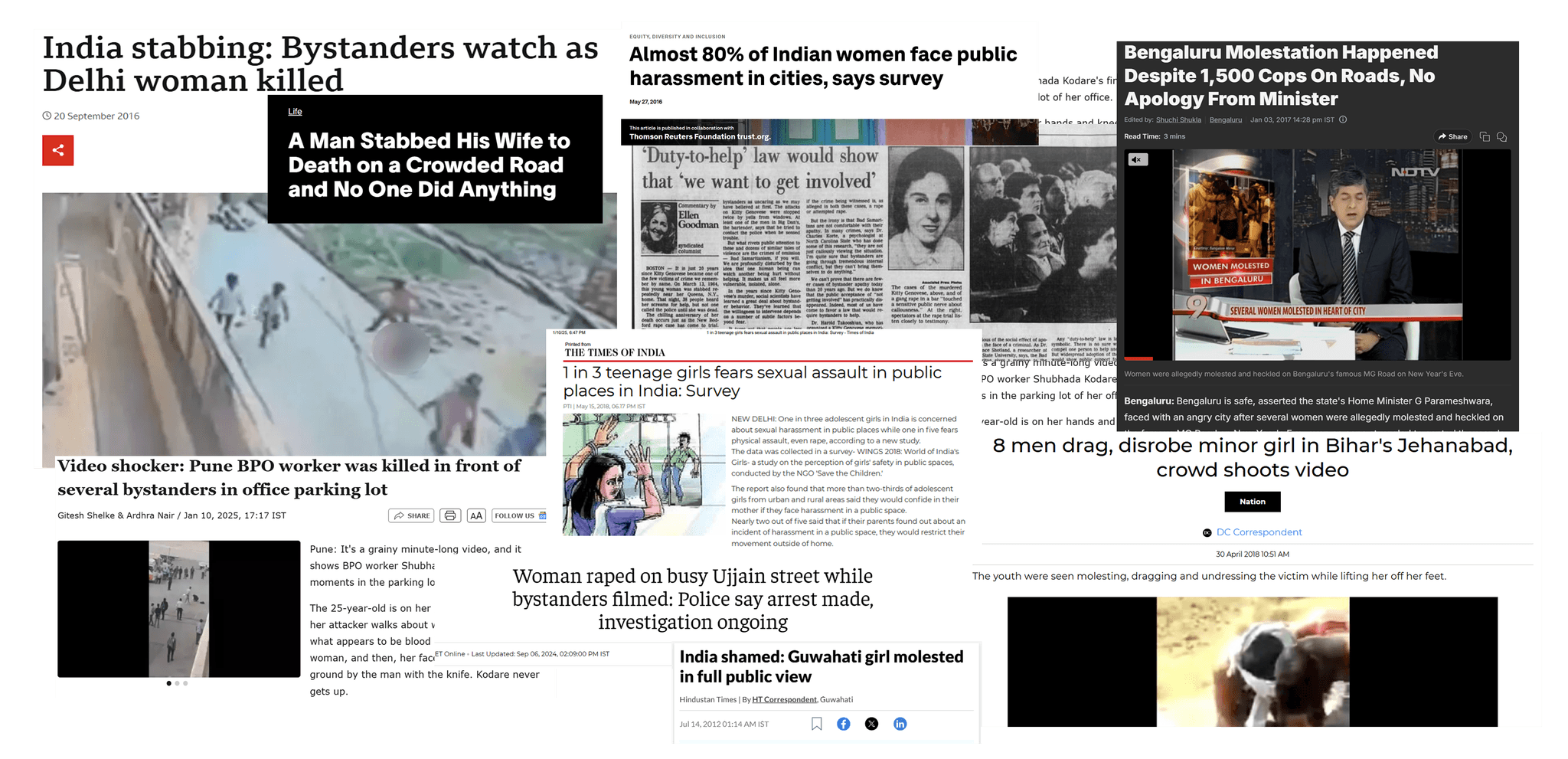
When we talk about harassment, we often focus only on the victim and the perpetrator. But in many cases, harassment could have been prevented or kept from escalating if bystanders had stepped in. Unfortunately, people rarely intervene, this could be for a variety of reasons but it’s usually because they’re unsure of how to help, fear backlash, or feel it’s not their place. This silence allows perpetrators to act with little consequence and leaves victims without the support they need, reinforcing a culture where harassment is not just tolerated but encouraged.
Who is this for and how do we learn about them?
Since most of our team is situated in Bangalore, we aimed to start from there. In 2023, the city witnessed a 55% increase in molestation cases. According to the National Crime Records Bureau (NCRB) data for 2022, Bengaluru ranked third among Indian metropolitan cities in crimes against women, following Delhi and Mumbai.
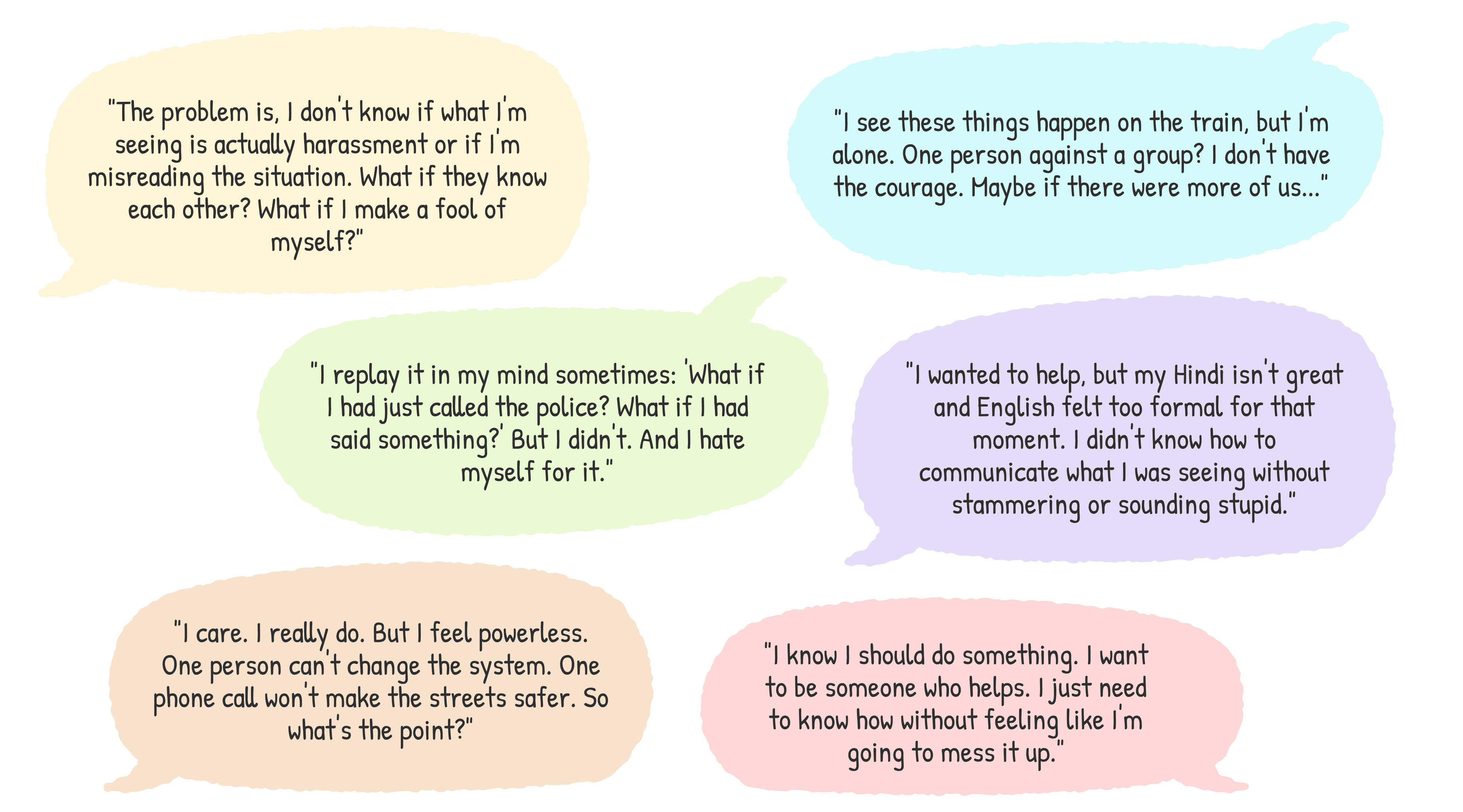
What People said
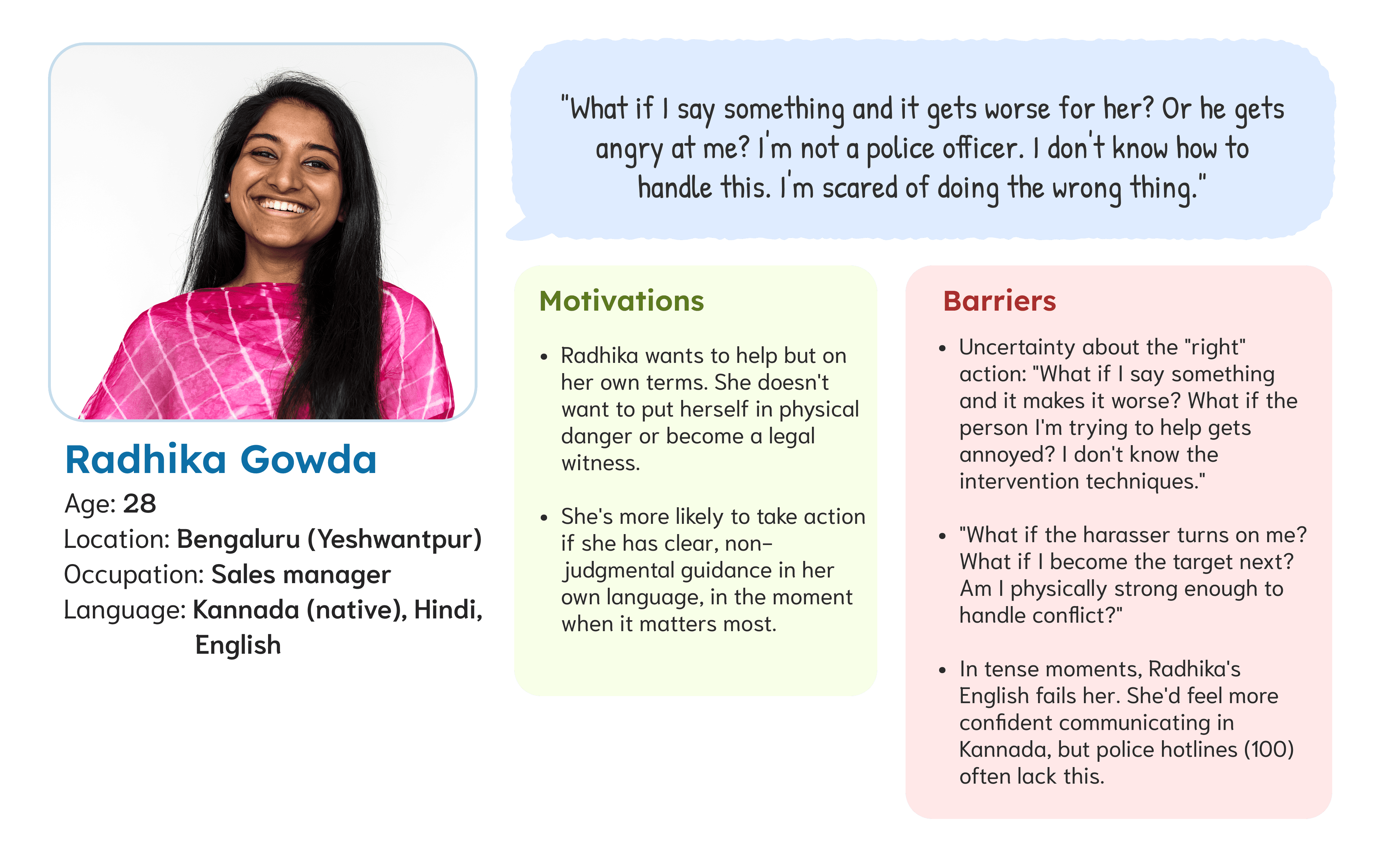
User Persona
What are we trying to achieve?
Context specific Bystander intervention
Our objective was to understand why people tend to react very passively when witnessing harassment around them and make it easier for them to take action. These suggestions could range from simple intervention techniques to identifying and calling the closest relevant authorities to take action in rapidly escalation situations.
In a country like India with an ever-growing population, there simply aren’t enough authority figures to constantly keep everyone in check everywhere.
How can we make public spaces safer by creating more contextual resources to help in intervening safely? How can we foster a strong sense of community that can act together during such situations?

Where can Bystander Intervention Happen?
Bystander intervention can happen anywhere a person might be in danger, on campus, off-campus, in social settings, public spaces or even your home. It’s important to stay aware of your surroundings and recognize what intervention is most suitable. Here are 2 of the main methodologies recommended to evaluate your situation and decide how to react.
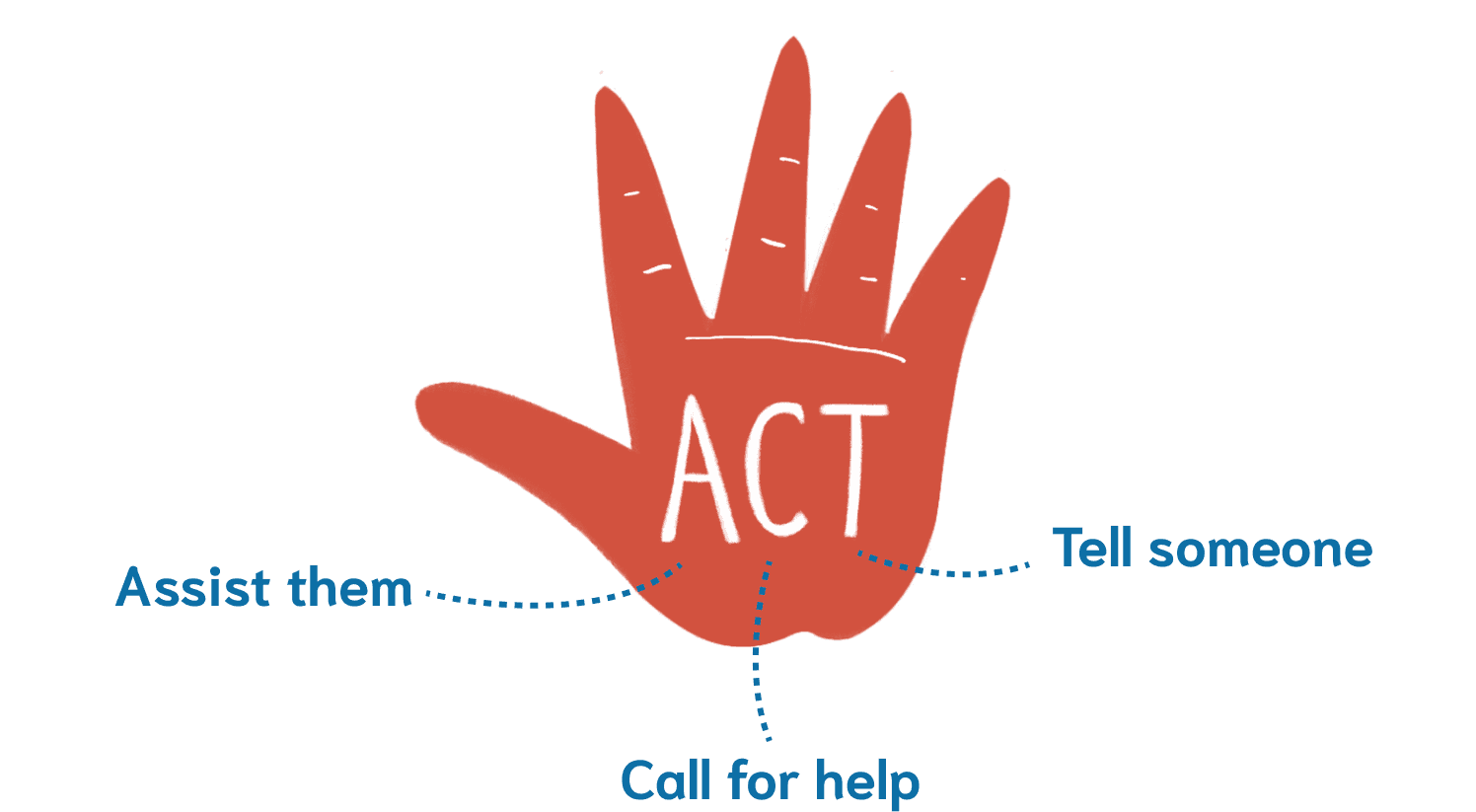
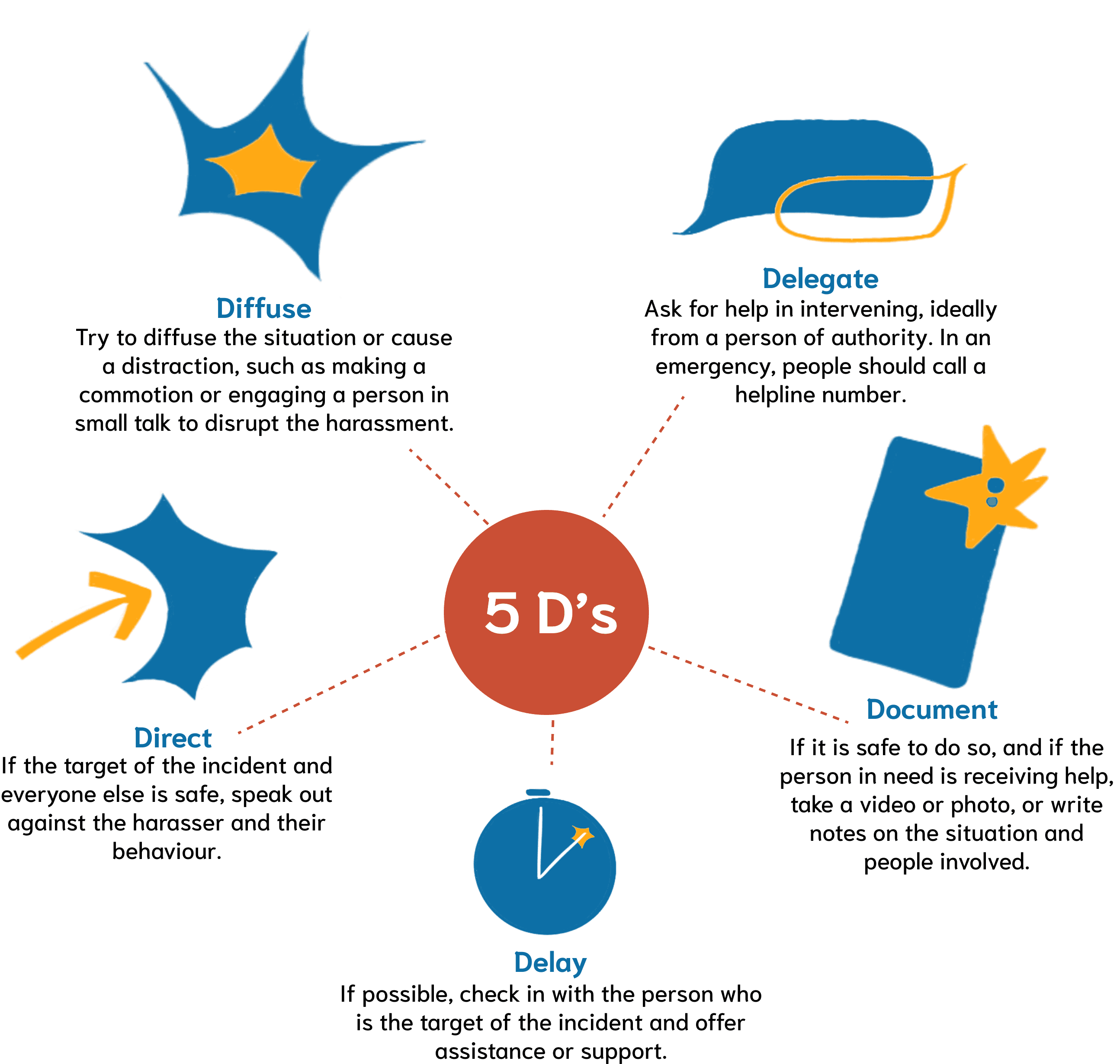

Collaborating With Durga
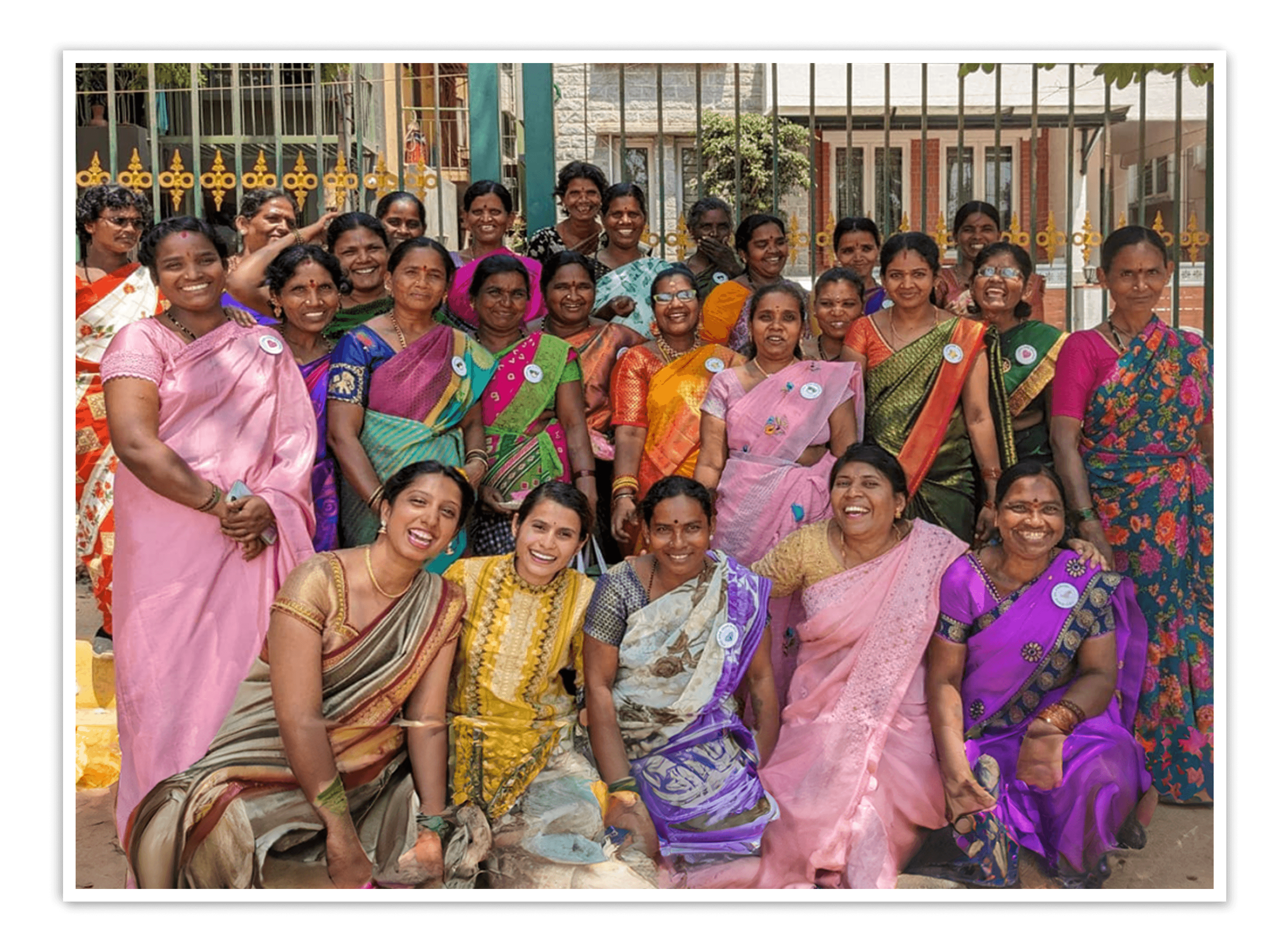
At Durga, we were able to talk to Monika Rajashekar, Chief People Officer, who gave us insights into the gaps in existing initiatives and understand why some well-intentioned efforts weren’t fully effective.
Harassment often stems from fear and a lack of societal support. This fear varies significantly across different contexts, shaping the dynamics of harassment in unique ways. Tackling this requires a deeper understanding of the various stakeholders involved and how each one reacts to incidents differently.
In 2019, Durga developed a 25-day intervention engaging public space users, from security guards and street vendors to domestic workers and community women, fostering active bystander behaviour.
What are the Key insights?
Insight 1
"Once on a train, I saw a heated argument where the husband was yelling at his wife. And I remember my immediate thought was: 'That's not okay.' But then, almost instantly, the doubts came in. Like, am I reading this correctly? Is it my place to say anything? Maybe its their personal matter?"
Insight 2
"I know I should do something, but the moment I tried to think about what that something was, my mind just went blank. Do I confront him? Do I tell the conductor? Do I quietly check if she's okay afterward?"
Insight 3
"I saw it happening, but everyone was frozen too. We're all scared and didn't know what to say"
Insight 4
"There was a kannada couple fighting,I could see something was wrong, but the words just wouldn't come. I don't know the language or what to say… so I end up saying nothing."
What can we do?
How can we communicate and concise down the bystander intervention strategies from into a small bite size, contextual and accessible form for anyone who can be an active Bystander?
Multilingual Voice-to-Voice System for Emergency Response
A Smart Solution for Indian Emergency Services
Our Voice-to-Voice (V2V) system is designed to provide automated emergency response support across multiple Indian languages, leveraging advanced AI technologies to ensure accessibility and effectiveness.
How does the System work?
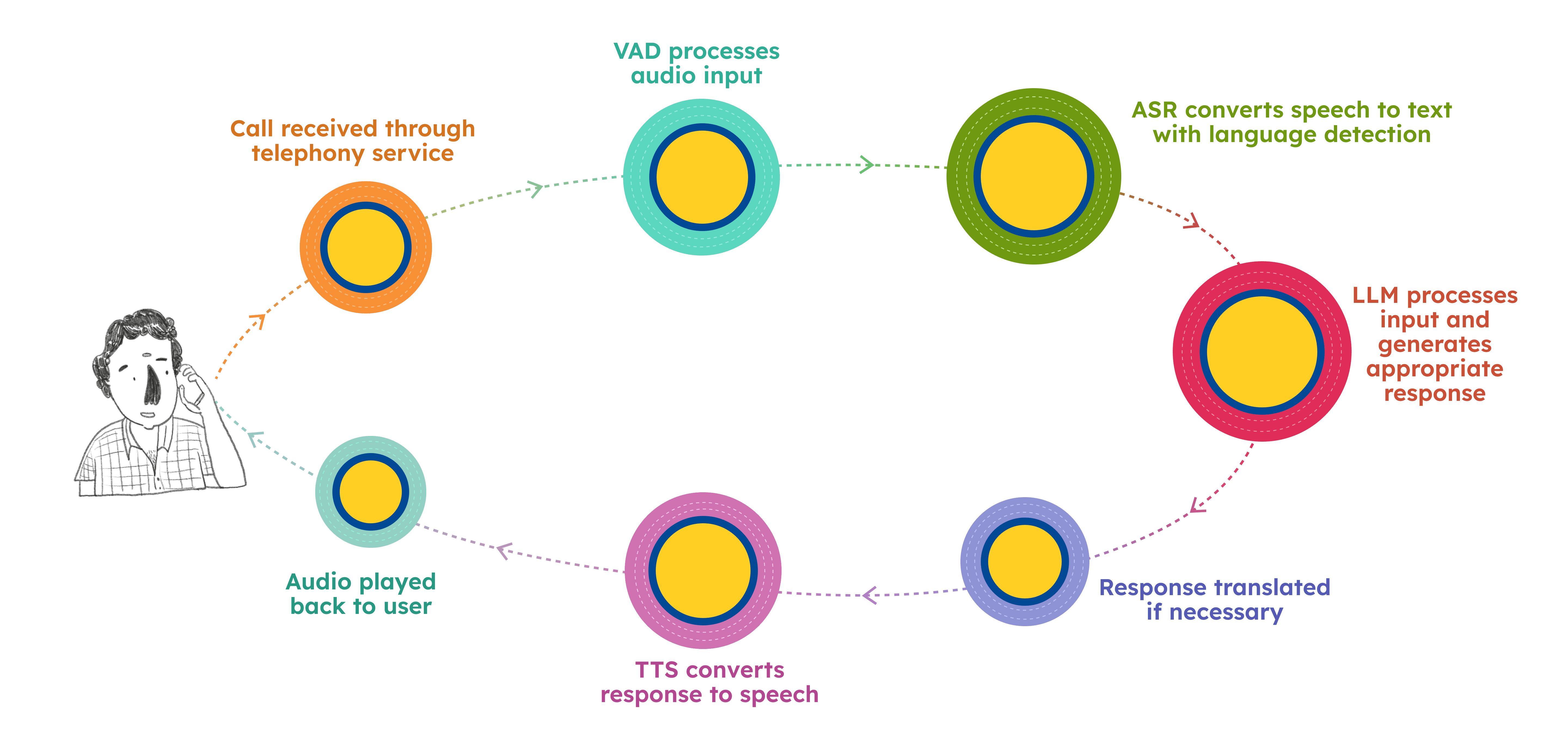
What are the Key features of this tool?
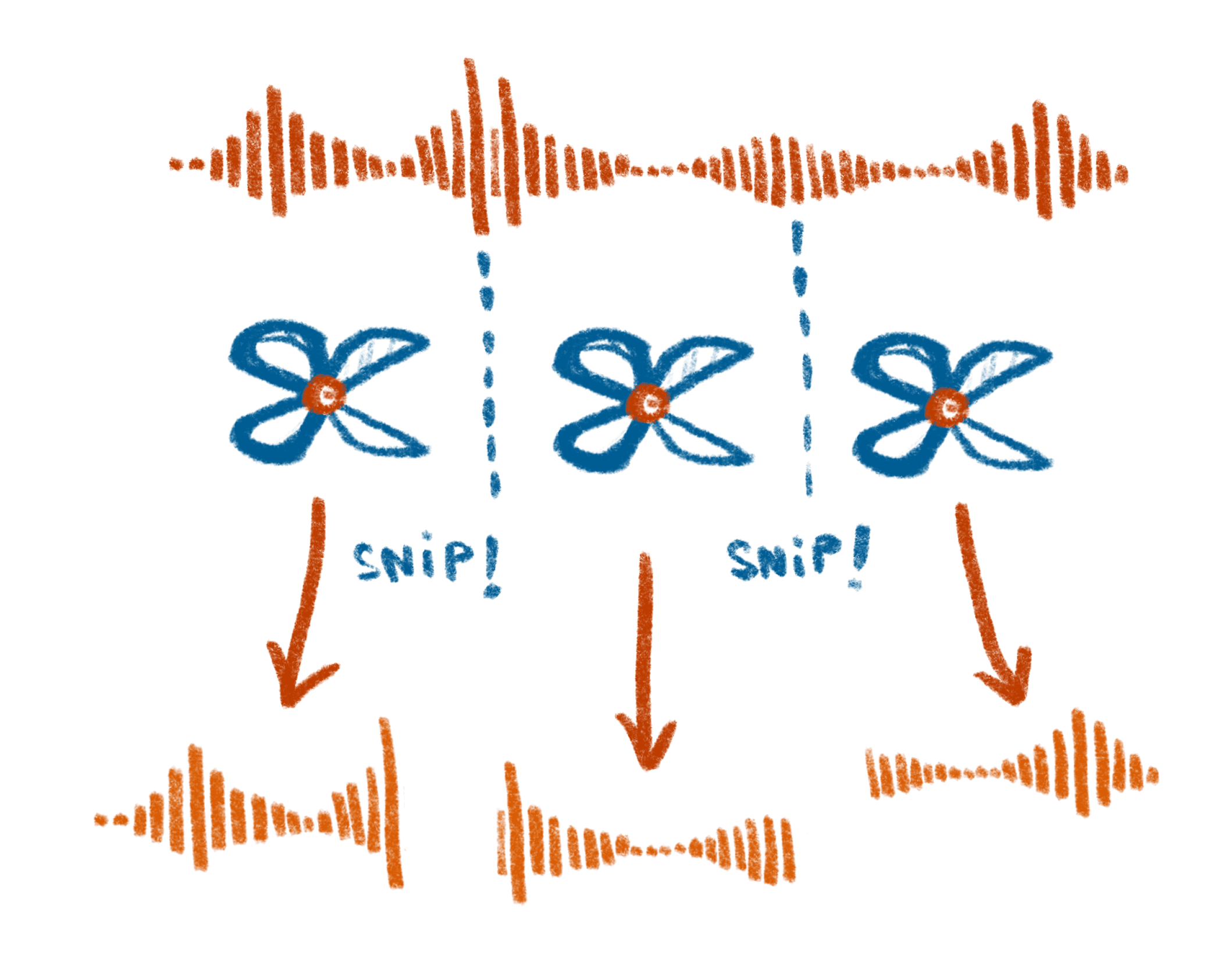
Voice Activity Detection (VAD) &
Smart Turn Switching
Technical Implmentation
Utilizes WebRTC VAD for real-time speech detection.
Frame-by-frame analysis with configurable sensitivity (VAD mode 2)
Buffer-based approach with 30-frame sliding window
Key Features
Real-time speech/silence detection
Minimal latency in turn detection
Background noise is ignored and do not affect the conversation.
Impact
Reduces processing overhead by analyzing only speech segments
Natural conversation flow similar to human interaction.
Built with Indian use-case in mind
(noisy roads, speakers in the background, multiple speakers)
Streaming Architecture
Technical Implmentation
Sound Device library for audio streaming
Real-time audio processing pipeline
Efficient memory management with deque structure
Key Features
Low-latency audio streaming
Continuous audio processing
Buffer-based audio management
Impact
Enables real-time response in emergency situations
Reduces system response times
Essential for maintaining engagement during critical situations
Provides easy integration to a telephony interface
Language Switching and Smart ASR
Technical Implementation
Integration with Sarvam Ai API for ASR and Translation
Support 10 Indian Languages ( English, Marathi, Hindi, Kannada, Tamil, Telugu, Gujarati, Punjabi, Odia, Malayalam, Bengali)
Real time Language detection & active Language switching
Seamless translation pipeline
Key Features
Automatic Language Detection
Native script handling
Context aware Translation
Impact
Breaks down Language barriers in emergency responses.
Enables support for diverse Indian population
Reduced response for Non-English speakers.
Good performance on 8kz telephone audio.
Language Switching and Smart ASR
Technical Implementation
Gemini 1.5 Pro model integration
Context-aware conversation management
Domain-specific prompt engineering
Structured conversation history management
Key Features
Emergency response context awareness
Conversation history tracking
Intent analysis and understanding
FIR-ready summary generation
Impact
Provides intelligent, context-aware responses
Ability to include powerful Agentic Workflows to voice agent to make real world decisions
Text-to-Speech (TTS)
Technical Implmentation
Google Cloud TTS integration
Language-specific voice selection
MP3 audio generation
Real-time audio playback
Key Features
Multi-language support
Natural voice synthesis
Various Gendered & Gender-neutral voice options
High-quality audio output in 16 kHz & 8kHz
Ability to mimic human-like speech characteristics i.e pauses, stresses, delays etc.
Impact
Enables natural conversation flow
Provides clear, understandable responses
Supports multiple Indian languages
Enhances user engagement
Telephone Integration
Proposed Implementation
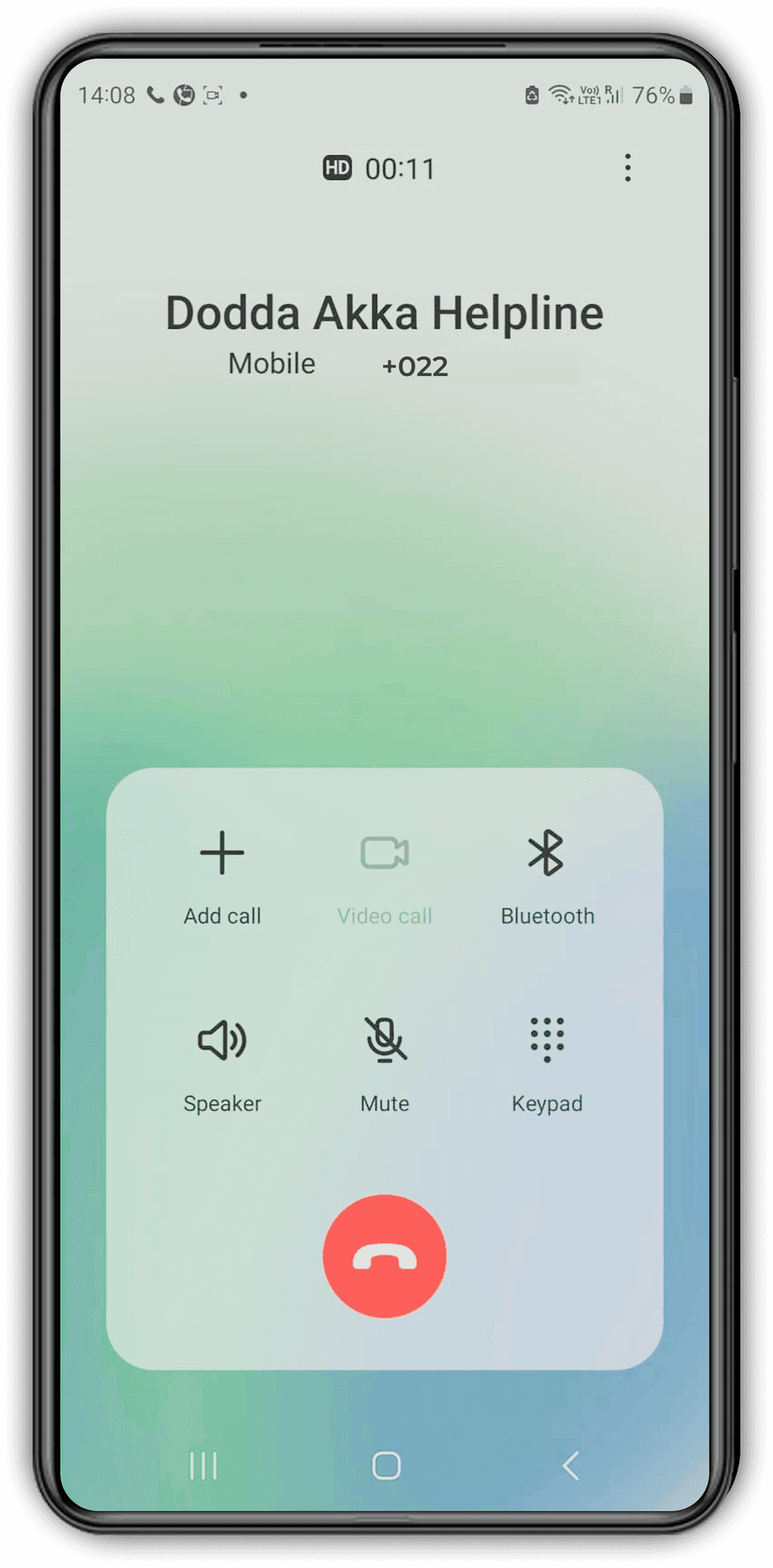
Integration with cloud telephony service.
Support for both incoming and outgoing calls.
Key Features
24/7 availability
Scalable infrastructure
Call monitoring and analytics
Emergency service routing
Impact
Enables wide accessibility through phone network
Enables integration with existing emergency services
How will this tool be deployed?
Ground It in Local NGOs & Community Organizations
Partnering with organizations like Durga that already have community trust. They become the face and medium. People listen when trusted organizations vouch for something.
Awareness through Posters and Signages
By running campaigns on Metro apps, campus safety portals, women's restroom mirrors, ride-sharing apps, bill boards across and making it visible, first.
Workshop-Led Awareness
By running a free bystander intervention workshops in colleges and workplaces. Discuss-
ing and explaining the 5 D's. Then introduce Dodda Akka as a tool they can actually use.
Social Media and Radio Channels
Spreading awareness about what bystander intervention means, what can they do, how can they use the hotline and stories of impactful interventions.
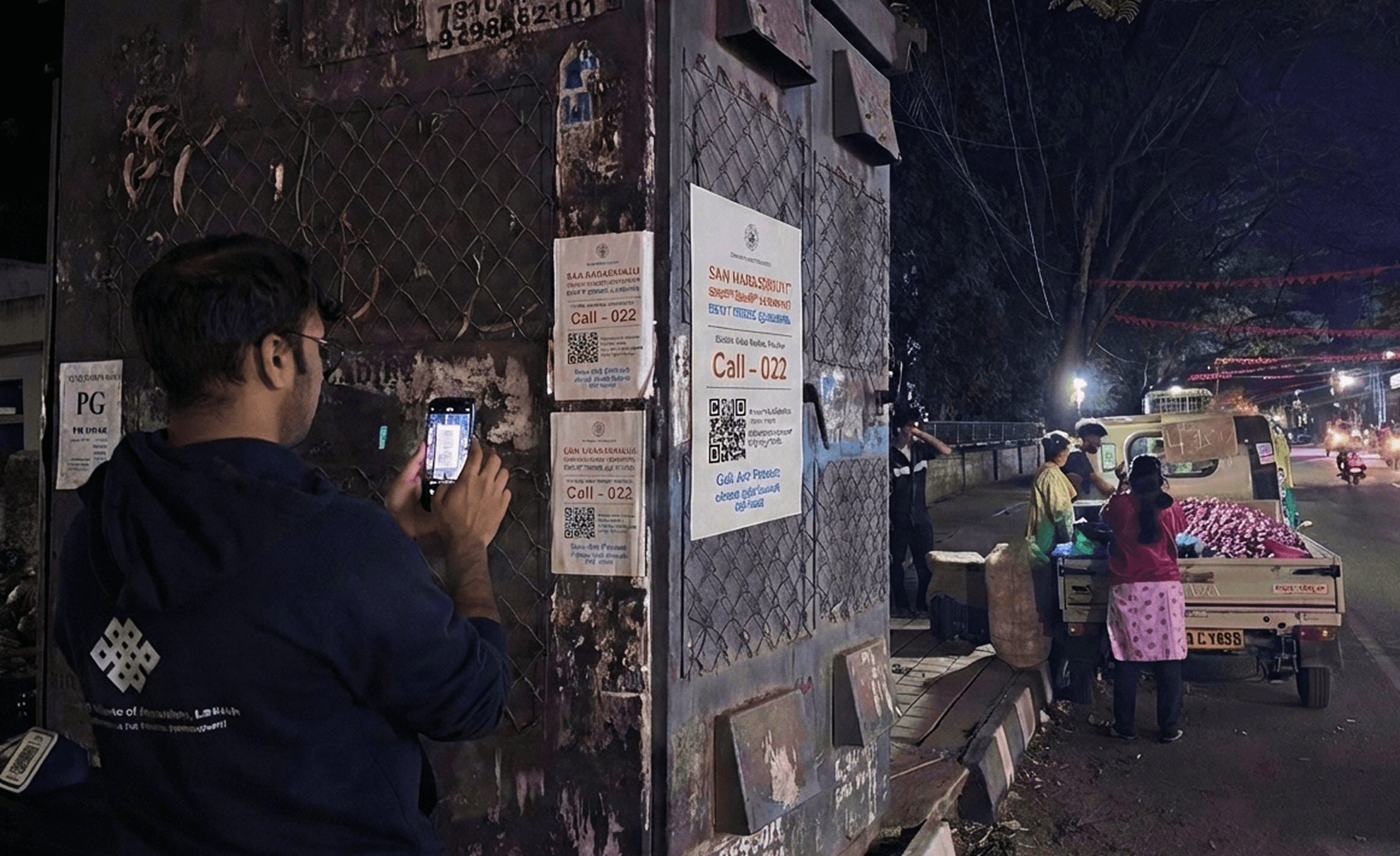
Person scanning the QR code to pin a report.
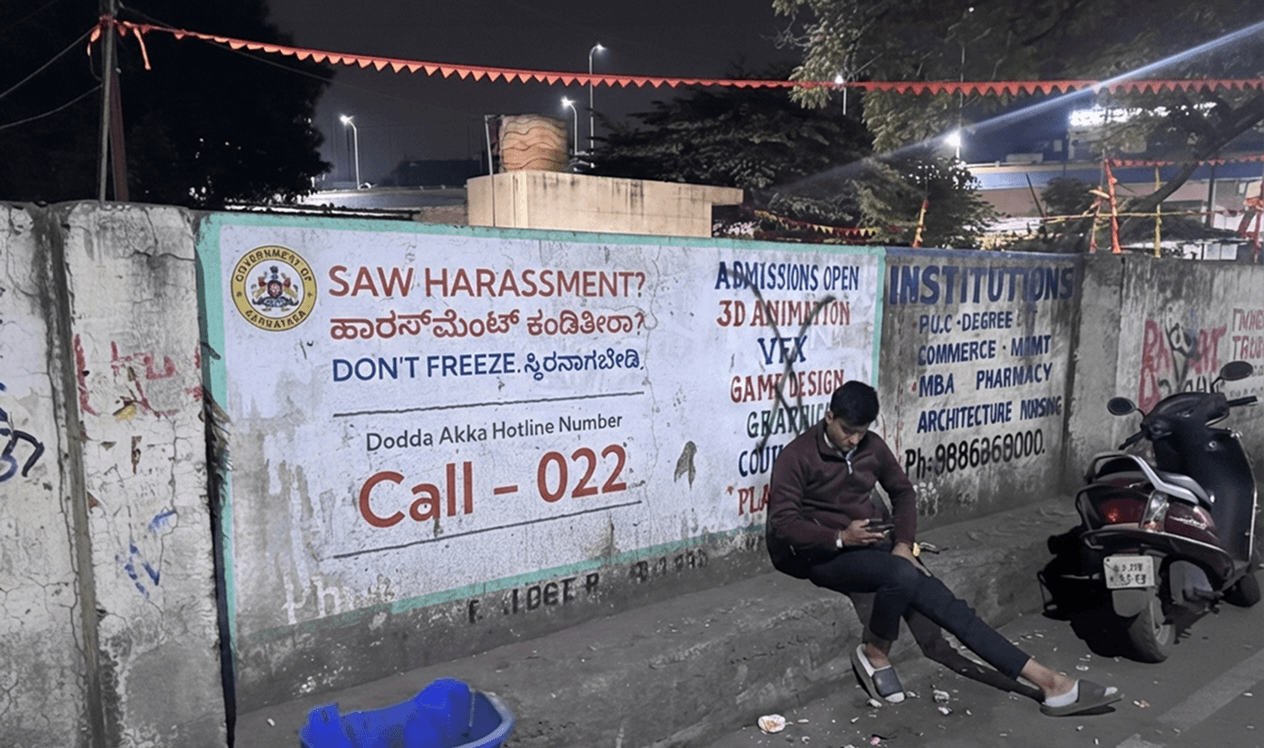
Wall mural across the town
These images are illustrated with the help of Gemini.
How might the Interface look like?
Reporting the Incident
Information of the incident
-
Post Reporting Screen
-
Kannada user interface
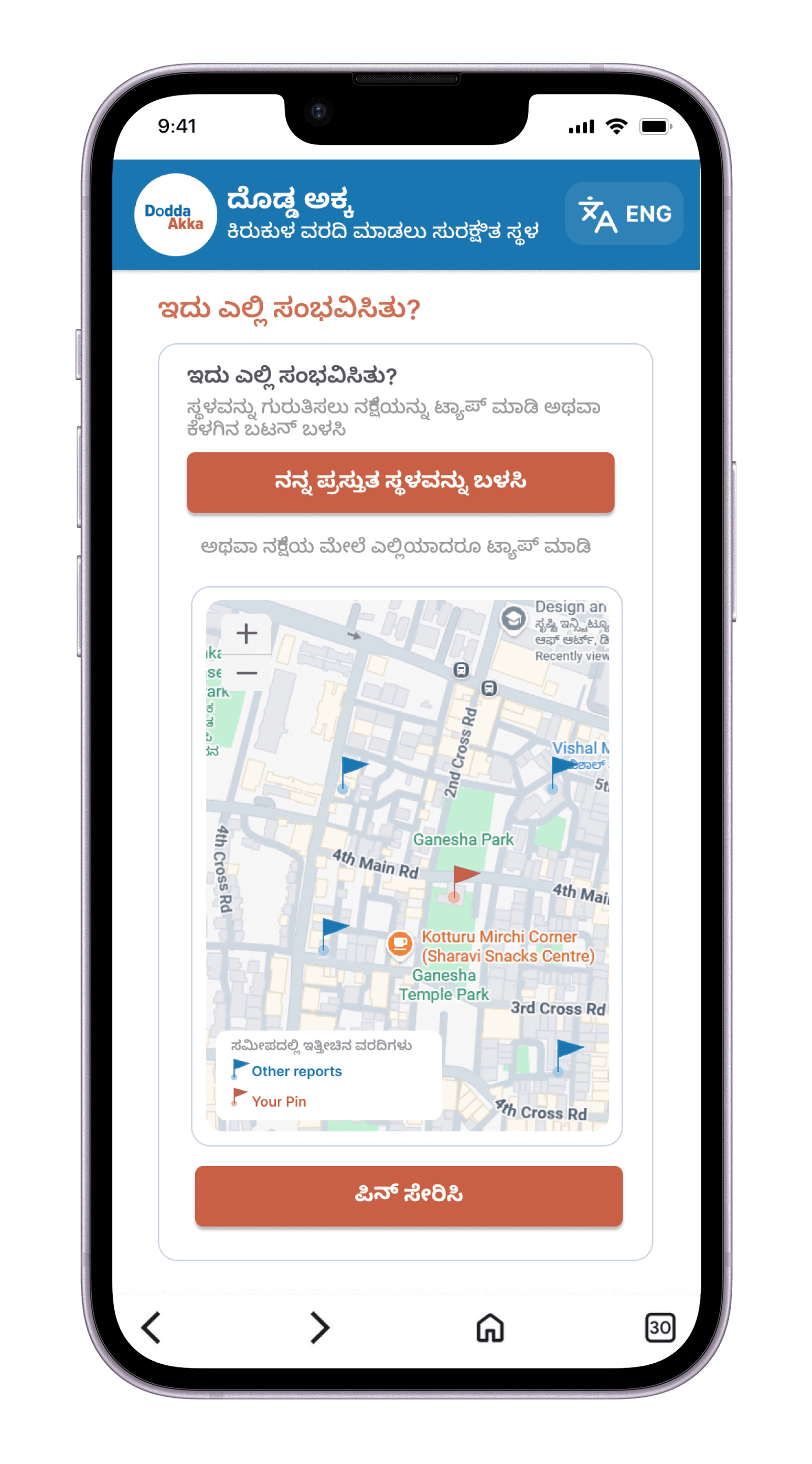
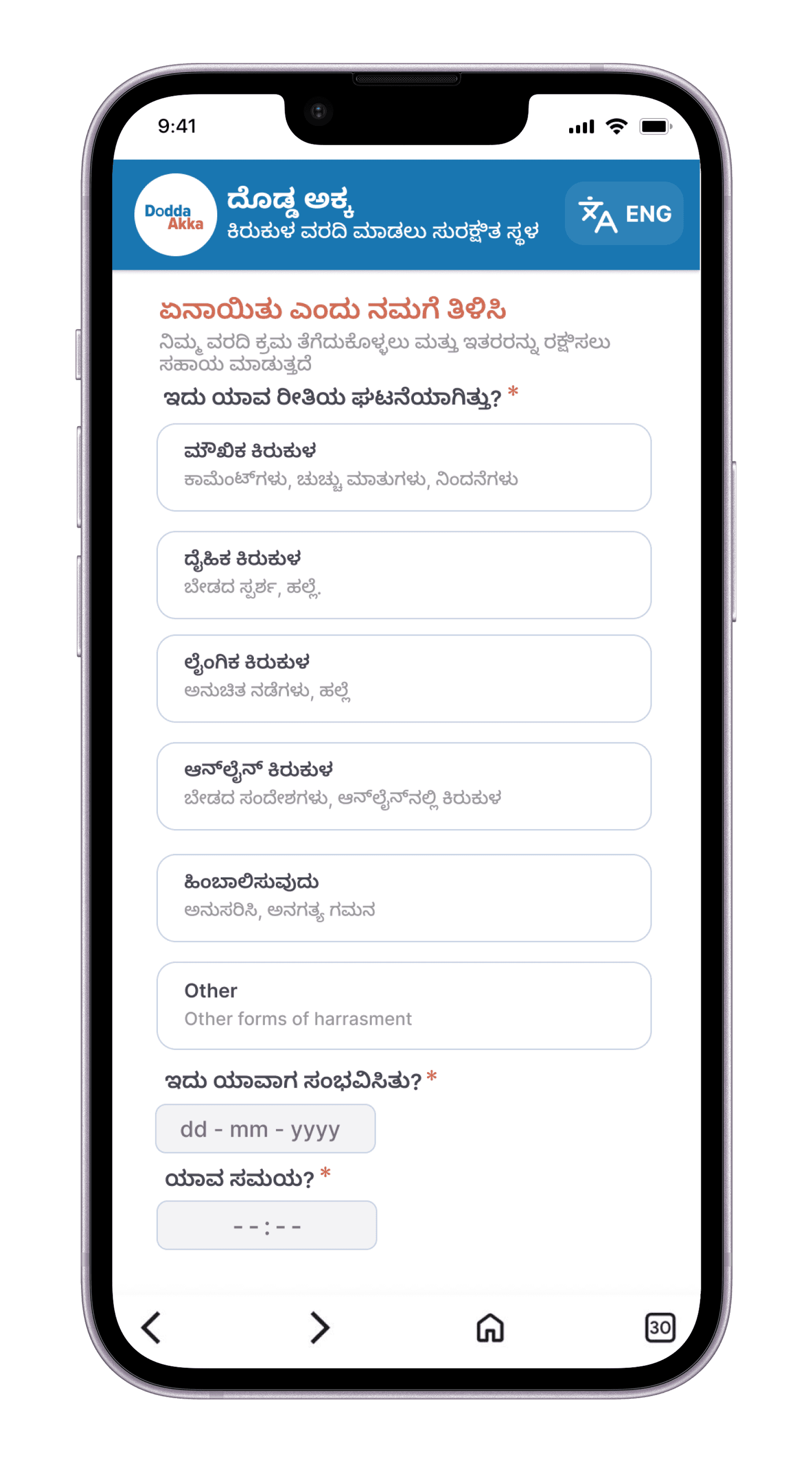
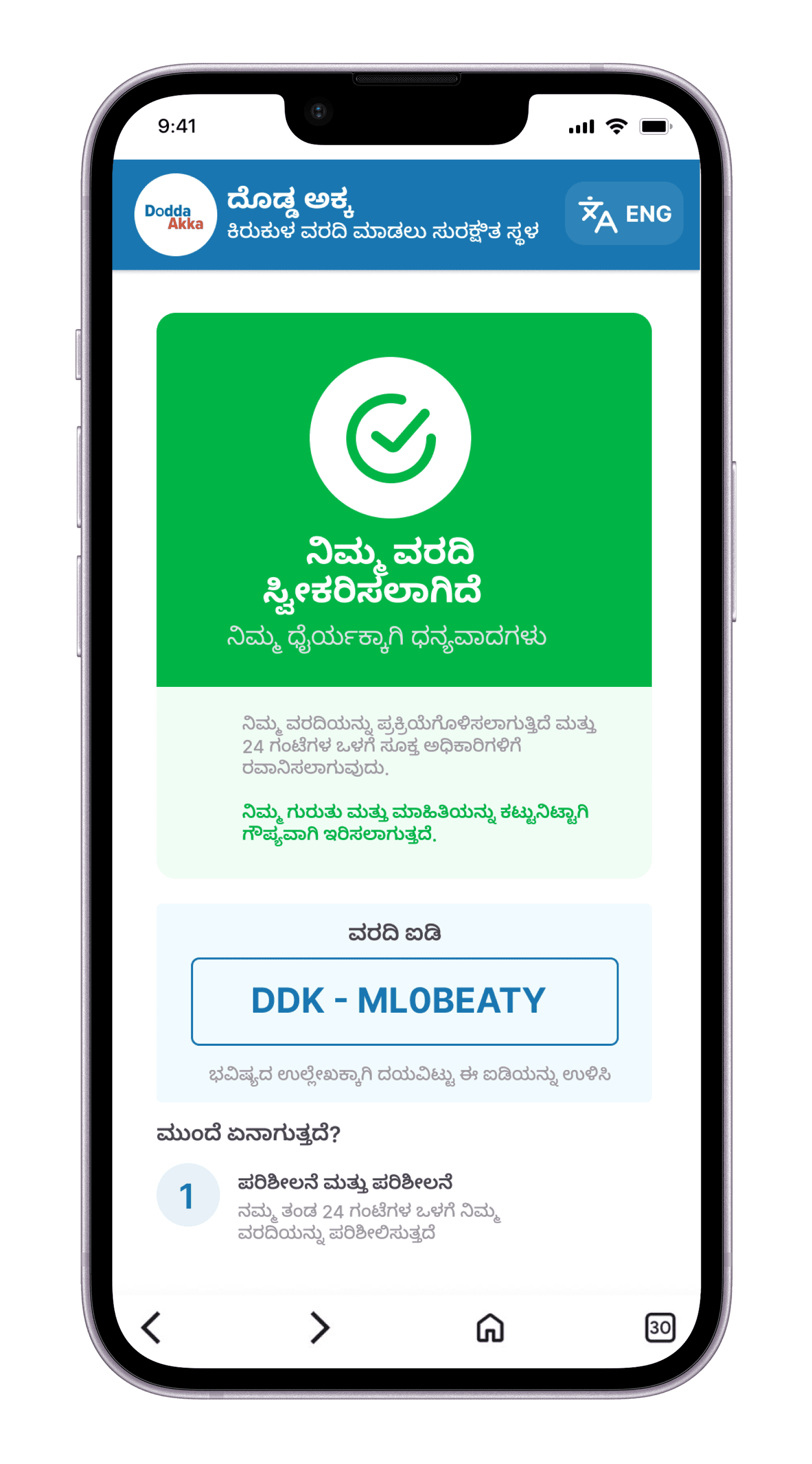
How have we tested our the tool?
(More on Technical End)
Quality of audio transcriptions
Audio transcriptions must be accurate and be able to capture any nuances in pace, pitch, accent etc.
System output quality
The quality of help the hotline provides and its reliability in the specific scenarios.
Voice Quality
The quality of the speech generated and its human-likeness. If the end goal for this tool would be to redirect you to a human. we could measure success in terms of number of human redirects
Latency
The amount of time between conversation turns and the seamlessness
What worked?

The active Voice Activity Detection was quite successful in filtering out noise and only accepting speech
The LLM layer’s intelligence was highly consistent with very little hallucinations for which we have safeguards.
Almost all system design choices were made keeping latency in mind, resulting in a very seamless voice to voice experience.
What didn't worked?

Tested a RAG based approach, for which outputs weren’t much better than the current system and was resulting in higher latency, so we decided to use gemini (large context window)
Various ASR & VAD systems and websocket based streaming, all of which was either slow or inaccurate.
How do we assess the impact of our tool in Long term?
1
Immediate Action Confidence
(Short term)
Measures hesitation → decision shift within a single call.
2
Informal Conversations about the Tool
(Long term)
Does the tool come into informal every day conversations, discussion or memory. Maybe citizens haven't used it or know about it, but have they heard about it or seen people using it.
3
Awareness of Bystanders intervention strategies (Long term)
To assess the effectiveness of this tool, we must evaluate its integration into regular conversations, measuring its popularity and trustworthiness. The primary parameter is whether it becomes a well-known, reliable resource which can provide realistic interventions.
4
Post Conversation Assessment
(Potential Long term)
A potential way to assess and enhance this accountability is a follow-up call 15–30 minutes or a message after the initial contact to confirm the advice was useful and acted upon.
What are the Indian Use Case Impact parameters?
Language Diversity
Supports multiple Indian languages
Enables native language communication
Reduces language barriers in emergency response
Documentation
Automatic FIR preparation
Digital record keeping
Legal compliance
Accessibility
Works with basic phone systems
No internet requirement for end users
Available 24/7
Scalability
Handles multiple concurrent calls
Easily expandable to new languages
Cloud-based infrastructure
Where do we see this going?
Conduct participatory research across different harassment contexts (workplace, transport, housing societies, rural areas) to understand unique intervention needs and expand the bystander intervention database with localized scenarios.
Add real-time location-based authority routing, improved contextual awareness, and RAG for hyper-local intervention strategies, plus expanded language support for broader accessibility.
Build a mixed-methods evaluation pipeline, quantitative call analytics (activation rates, demographic reach) paired with qualitative follow-up interviews and community focus groups to iteratively refine the tool's effectiveness.
Integrate with local emergency services for immediate authority redirection, enhance context awareness through location data and conversation history, and incorporate RAG for scalable domain-specific knowledge retrieval.
How was the experience of making this project?
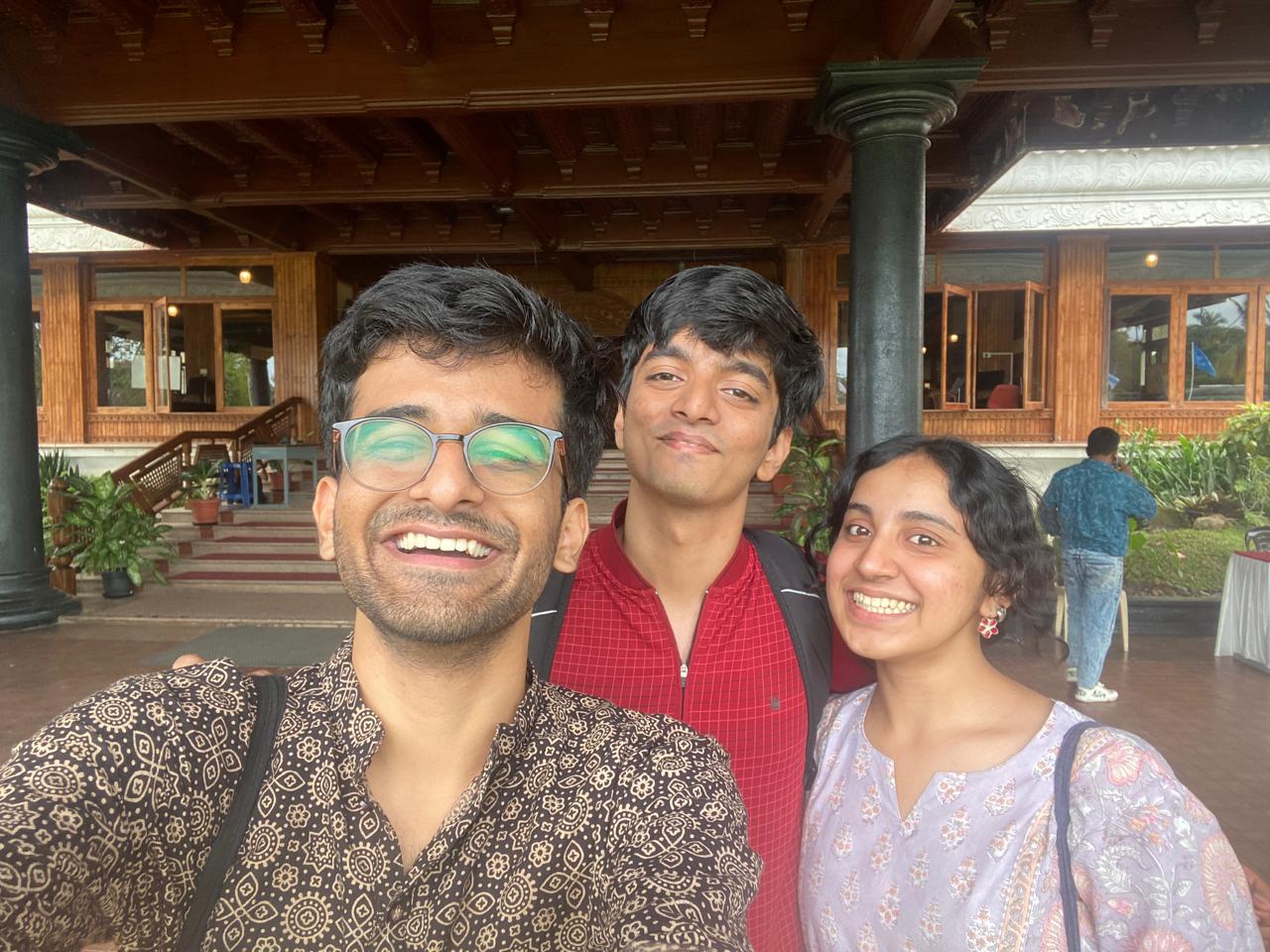
Working beyond the role of a designer was honestly the biggest learning curve! Couldn't have done this project, if it wasn't Anuhya and Pranav! This project opened so many pathways to think of future roles, the use of AI and how the world is changing and responding.
I’m still sitting with many of the questions we started with, and I know there’s no perfect answer. But I’m so grateful to have gone through this process with people who truly wanted to listen, reflect, and build something thoughtful together.
If you’re working on similar questions or just want to talk about how tech and gender can come together more meaningfully, I’d love to chat.
We know this is not ideal but the mobile version of this project is WIP!
You can view the project on desktop!
We know this is not ideal but the mobile version of this project is WIP!
You can view the project on desktop!
IK, that was a long Scroll !
here are some other projects
Rooted In Place
Nature Education Toolkit
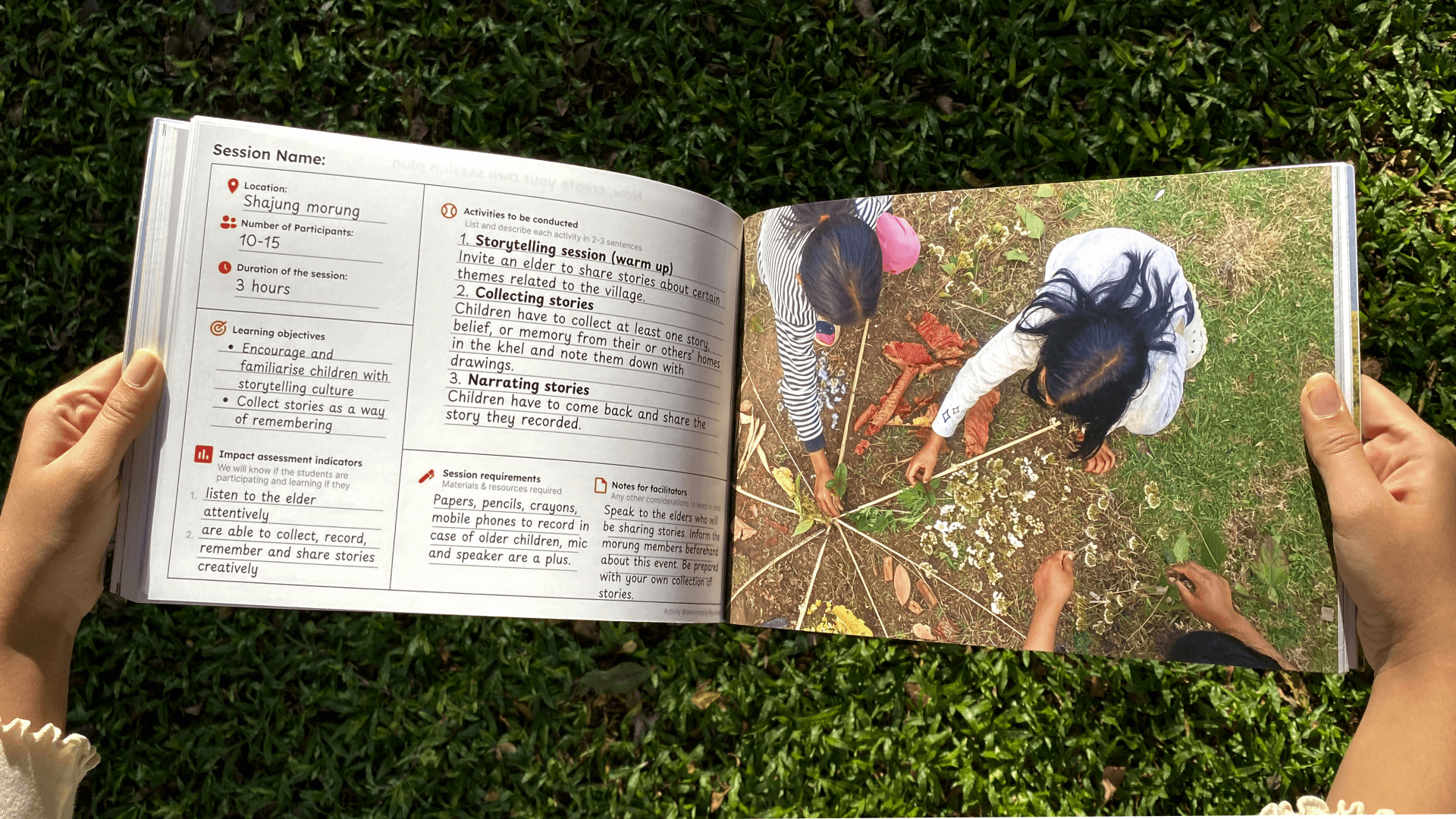
Toolkit Design • Learning Experience Design • Visual Design
Khayali Pulav
Food narratives as the lens of research and conversations
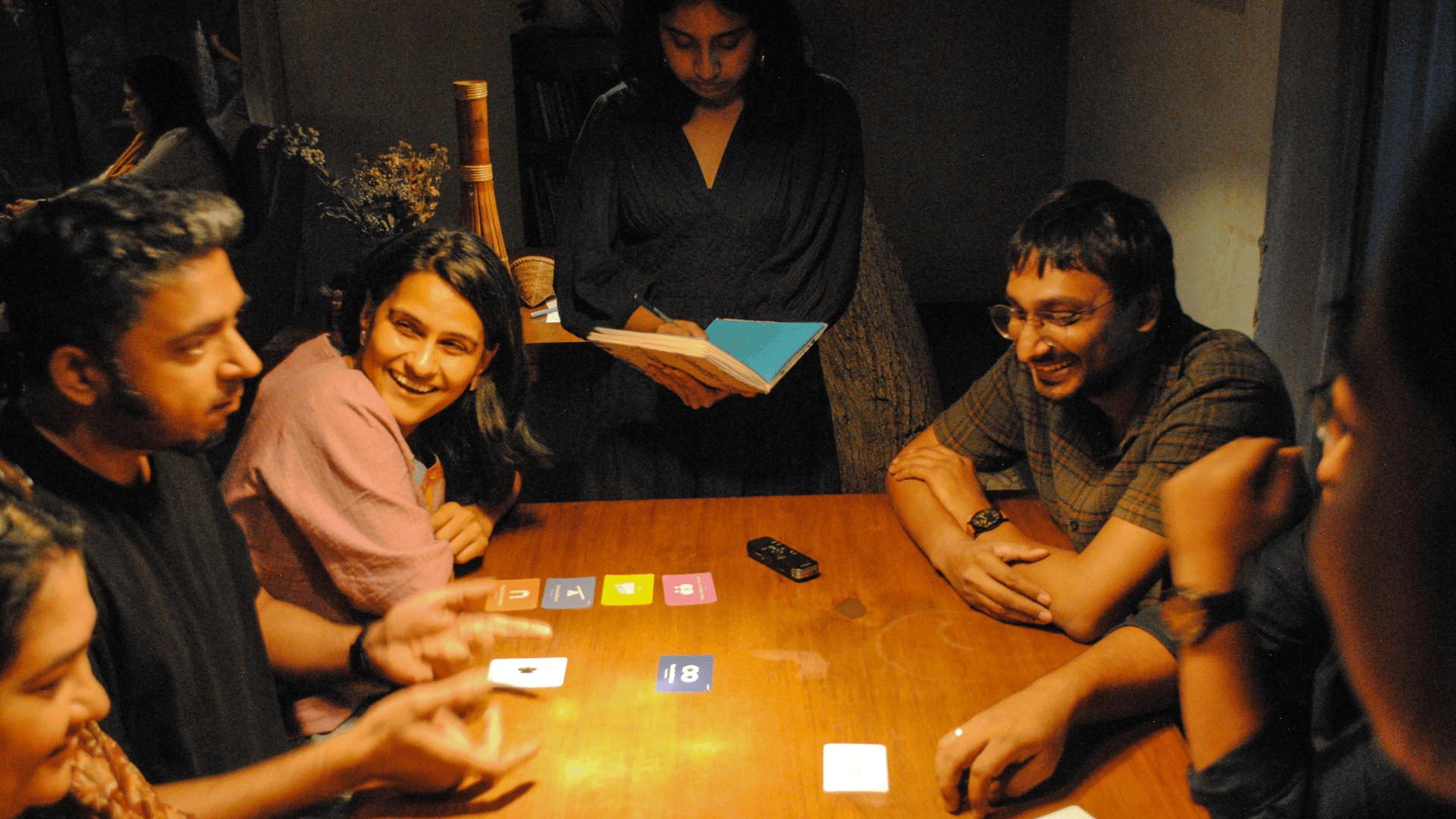
Participatory Research toolkit • Qualitative Design Research • Visual Design • Experience Design
We know this is not ideal but the mobile version of this project is WIP!
You can view the project on desktop!
We know this is not ideal but the mobile version of this project is WIP!
You can view the project on desktop!